
The Science of skin & hair

Explore peptides, copper peptides, and emerging compounds being studied in skin biology, hair growth, collagen production, tissue remodeling, and healthy aging.

Where Beauty Meets Biology
Skin and hair are constantly changing tissues influenced by cellular signaling, inflammation, hormones, circulation, aging, and the extracellular matrix. Researchers are investigating how peptides and other compounds may interact with these processes—from collagen synthesis and wound repair to hair-follicle signaling and skin regeneration.

Popular Posts:

Skin & Hair

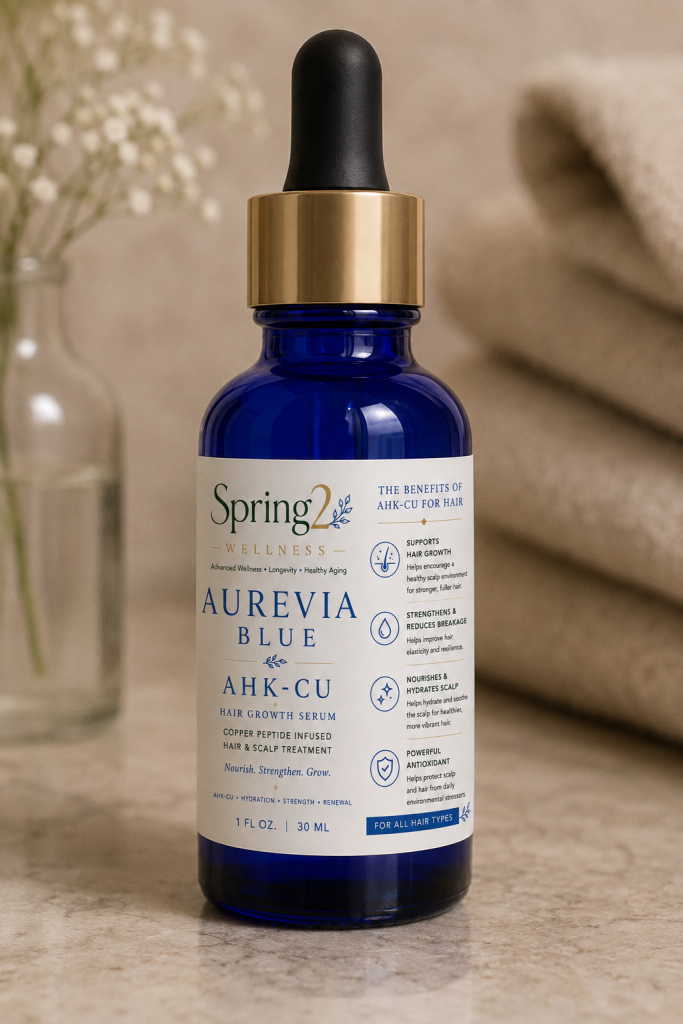
AHK-Cu and the Science of Hair Growth

Hair-growth products are full of ingredients promising thicker, stronger, faster-growing hair. Copper peptides have earned a particularly interesting place in that conversation—and AHK-Cu is one of the lesser-known compounds behind it.

AHK-Cu is a copper-binding peptide formed when the tripeptide AHK (alanine-histidine-lysine) complexes with copper.

If that sounds familiar, there’s a reason.

Its better-known relative, GHK-Cu, is another naturally occurring copper-binding tripeptide that has been studied extensively for its involvement in wound healing, extracellular-matrix remodeling and skin biology.

AHK-Cu, however, has attracted specific research interest for something else:

the human hair follicle.
Skin & Hair

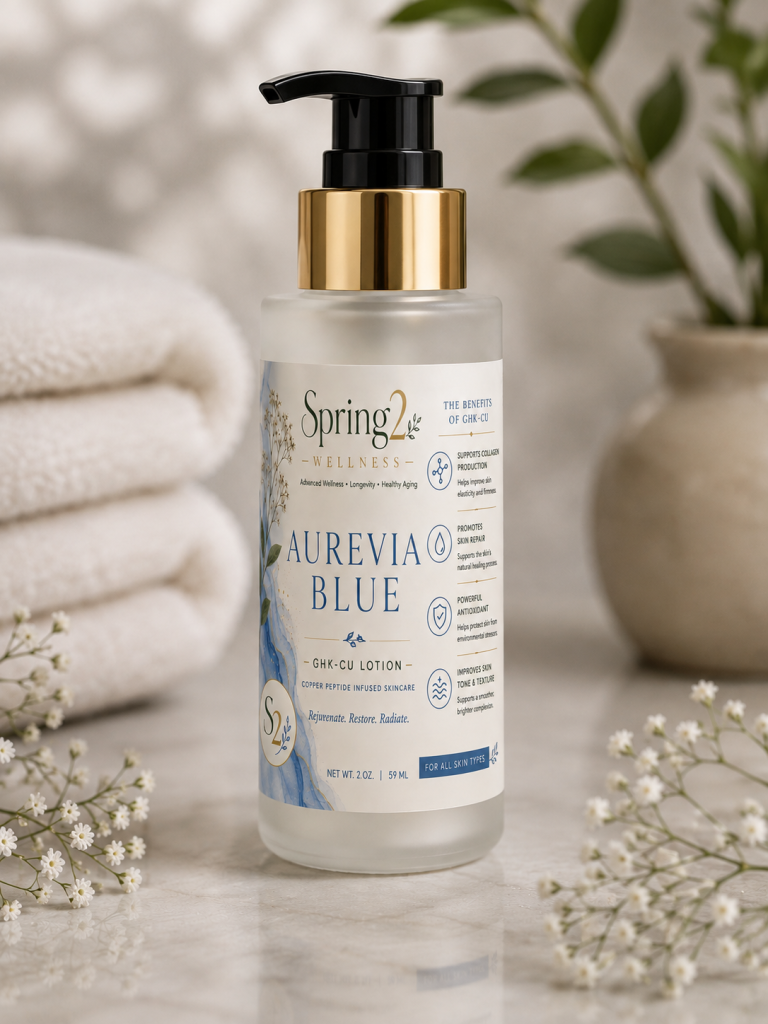
GHK-Cu: Exploring the Science Behind Skin, Hair & Tissue Repair

GHK-Cu is one of the more established names in peptide research. Unlike many compounds that have only recently gained attention online, the science surrounding GHK-Cu stretches back decades.

It is particularly well known in cosmetic science, where copper peptides appear in products marketed for aging skin, skin texture, and hair care. But GHK-Cu has also been investigated in laboratory and preclinical research involving wound healing, inflammation, collagen production, tissue remodeling, and cellular signaling.

There is an important distinction, though: the evidence isn’t equally strong for all of those claims.

Topical skin research is considerably more developed than research supporting many of the systemic or injectable claims now associated with GHK-Cu.

Stay Up to Date on the Research